


Capturing the Record: Ensuring No Voice Is Left Behind in the Age of AI
As AI and speech-to-text technologies gain ground in legal and court-adjacent settings, the roles of stenographers, court reporters, and transcriptionists are evolving rapidly. This panel examines how automation is transforming workflows, skill requirements, and professional identity across the justice system. Speakers will discuss how human expertise continues to add value — ensuring accuracy, context, and integrity in an increasingly automated environment.

S1- Hi everyone. Welcome to the next session. Capturing the record. This is more focused on North America. Not the global North, but North America. We've got panellists here from the US and Canada. We've got Kim Neeson, whom quite a few of you know she used to head up Neeson reporting in Toronto and then worked with vertex for a bit and has a now heading up array reporting in Canada. Welcome, Kim. We've got Susan who's the president of RT out of the US, the association of American is it American Association of Electronic Reporters and Transcribers? I got that right. And she works as the director of testimony capture at Remote Legal. And we've got Lori out of B.C. and she heads up the she's the president of the BC Shorthand Reporters Association. Welcome, all of you. If you want to just take a few minutes and just tell us a bit about yourself to start and we can get started from there.
S2- Okay. Well, you mentioned me first, so I'll go first. So as as you kindly introduced me, Mona, I'm Kim Neeson. I am a four plus decade court reporter firm owner, business owner, entrepreneur, vice president. I've worn lots of hats. I'm a real time certified stenographer first and foremost. And it's been interesting to be back as certainly our landscape.
S1- Heading in and out. So I'm not sure why, but I think there's a little bit of a disturbance. Yeah, if you want to try it again. Yeah.
S2- Is that any better?
S1- Yes.
S2- Okay, let's try that. So I was just saying that I'm. I'm a real time stenographer myself, and I've worn many hats. And being back in the industry after a bit of an absence is it's a very interesting time in terms of what's going on.
S1- You're putting your audio is going in and out. Is it just. We're just checking the audio for a second. Just a second. Do you want to mute while she. Okay. Okay.
S3- I think I was hearing her fairly well, so I'm wondering if it's something.
S1- Oh you are. Oh, you're hearing her completely clearly I am. Oh, you know what? It might be my reception in the room. I'm on a Wi-Fi network, so. Yeah, you can continue. Sorry, Kim.
S2- I hate to keep repeating myself to everybody, but in any event I'm really happy to be here and to be a part of this panel discussion. And with two wonderful professional women like Lori and Susan and of course yourself. So thank you so much and I'll pass it over. I'm Susan, it's nice to meet you all. Can you hear me? Okay.
S1- Yep.
S2- Okay. I have the pleasure of being the president of AARP. As Mona mentioned. We are the education and certifying body for professional digital reporters and transcribers. And however, a a year t supports every method of capturing the record. We really, really believe and recognize that professionalism of the reporter is really what matters the most, not the tools that are used. So I have the honour of being president of the organization at this time. My personal background comes with a 30 plus years of transcription experience. Then I moved into digital court reporting about seven years ago. And about five years ago, I had the honour of coming to remote legal and building and now directing the court reporting department where we incorporate all modes of court reporting. And we're a fully remote corporate reporting company.
S1- Lori.
S3- Hi. Good afternoon. My name is Lori Stocco, and I am a. Can you hear me?
S1- Yeah.
S3- Okay. I am a court reporter, a stenographer. Like Kim and real time certified. I've been a reporter for 20 years now, and I've worked in a couple of different provinces in in Canada, Alberta and British Columbia. And I am currently the the British Columbia Shorthand Reporters Association that is a group of yeah, a group of shorthand reporters in, in B.C. that work to advocate for for the for keeping the record and to yeah, quality transcripts and all of that things.
S1- Thank you. Lori. So I'll dive right into the questions. So to start out, I guess the first question for all three of you is we all know that there's AI guy there in the in, you know, in the industry. Now what does it mean to work in this profession today? Like if you guys could just start talking about that. And we can start maybe with Kim, right? What does it mean to work in the profession? And what does a daily workflow look like today versus five years ago as a court reporter?
S4- Well, I think that's a can be a bit fuzzy in the sense that there's a lot going on. There's still, you know, shorthand reporters who are working who are excellent. We work with them currently, you know, those who provide real time reporting services in particular are very, very hard to mimic in any kind of other situation. Their skill level is, as has been said for many years, the gold standard. However, in Ontario in particular and other provinces other than Alberta and B.C. the number of shorthand reporters has been in steady decline for many, many years. I saw it coming at least 10 years ago. And so coming back into the industry, I realized we would have to embrace other ways of doing things. And to my mind what is coming and what is here with ASR automated speech recognition combined with skilled people, you have to have skilled people. There's no way around it. And preferably people who are could be retired shorthand reporters. It could be reporters who have been in other modes because we know there are several different types. But you must must have that piece because without it, an ASR AI transcript is pretty useless. It really it's just a tool to start preparing a record. And, I think that is really the big change in what I see is how we have to what we have to change in using this system is when I was the shorthand reporter, I was responsible for bringing in the transcript for making sure that it was edited properly, whether I used a scopist and a proofreader or what have you or myself. And I presented the final product to whoever I was working with. And in this newer world, you have a lot of people working behind the scenes to create that perfect or near perfect record. And the training is different. Obviously they don't need to know shorthand, but they do need to know how to spell and to punctuate and to understand what they're reading. Because if you don't understand it, you can't punctuate it. So it's a completely different workflow. It's a lot more I think hands on in the sense as a someone in in a firm who is trying to bring in some of this technology to be able to supply Apply our clients with with really top quality transcripts with in the face of a shortage of shorthand reporters. So I think there's going to be a lot of change coming and I think it's going to be rapid, but I never see the human element. I don't see it in any time in the near future anyway, where we're going to be replaced in that way. So those are just some of my thoughts around that question. Mona.
S1- Susan, do you want to provide your take on it?
S2- Sure. I think there is no debate that technology is part of court reporting. It's already here, so there's no debating if we're going to use technology. Right. The real question is how we how are we going to use it responsibly. And that is a big question that really is kind of the elephant in the room I think every proceeding nowadays has some type of a digital footprint to it. No matter how you take down the record, there's some type of layer of technology involved that leaves a traceable electronic trail. So we have to embrace technology. Technologies are a partner and as Kim said, it is not our replacement. It shouldn't be. There are those out there who believe it can be, and we all need to work together to help the stakeholders understand that it is not the replace for replacement for the human being in the room. And I think we'll probably talk more about that as the day goes on. When you ask about five years ago, the what the workflow was and what it is now, it's it's a great thing for me to reflect on because I started with Remote Legal five years ago, and at that time what happened was I was a digital court reporter working for one of the large agencies here in the States. I was doing all in-person proceedings. So what happened? We went to remote proceedings and when we started doing those, when we were doing those in-person proceedings, everything all the hardware was owned, operated, maintained locally by me as the practitioner. Right. I took all of my stuff to my in-person proceeding. I came home and I sent it then to my client. But now we have end to end digital workflows. We have remote platforms that are built for legal proceedings. We have real time monitoring of proceedings. We have cloud based file transfers, automated transcript formatting and streaming of speech to text. So that all happened in this last five years. I mean it's really quite amazing. And the efficiency I would say is pretty remarkable, but it also added complexity. It also added issues for us. The reporter's role has expanded in my opinion. Before it was taking down an accurate record in that room. Now they need to understand all of these technologies and these things and we were just talking about it today when we were getting ready for the webinar. Technology is great until it isn't right. You know we can't hear you. You're not you're muted. You're not muted. My microphone my camera's not working. These are all the things that have happened in the last five years because there's so much more complexity added to the process even though it does add efficiency. So I would say the biggest change in those five years has been the ability to to work remotely.
S1- I guess from your perspective.
S3- The those were very comprehensive answers. I probably don't have a whole lot to add. I'm thinking five years ago you're right. The the switch to digital or to remote happened because of Covid, of course, which was a rapid change in how our industry worked. Most of my work is in examinations for discovery. They're called in BC. So that's pre-trial pre-trial transcripts and pre-trial proceedings. And overwhelmingly things were in person at that point with and with a stenographer in British Columbia for the pre-trial proceedings. They all have to be attended by an official reporter, which is a stenographic reporter. There are no other no other modalities at the at this time in BC that are that are certified according to the rules of court for pre-trial examinations. And I remember in particular one client lived or or their their offices were a two hour ferry ride plus a four hour drive for me to or I guess it's like an hour and a half drive to get to the ferry. Hour and a half over on the ferry and then to get to their office and and you had, you know, so it would have been a 430 in the morning start to the day. And so I said I have to stay over the night before to make sure that I'm there. And they were totally fine with the costs they were. And I suggested, you know, there's this thing called zoom. Maybe we could try it in 20 in 2019. And they were a hard no like you're you're coming and you're going to be in person. And now they're one of my clients remotely. We have all agreed that this is this will be fine that we can do these things remotely. But there's, you know, there's. So, you know, I would think for for us, that's the biggest Just change otherwise from stenography. There's you know, it's been fairly standard static in the in the the last there are some technologies that they're trying to work into like our court reporting software has a thing called check it. So after you've done your transcript you can run this tool that's an AI against it that will flag things that it thinks are incorrect. And there was a 30 day trial. So I thought okay, great, let's try and let's do this. My I feel like my work product is pretty good. Maybe this will almost take the place of sort of a, you know, the proofreader or you know, the it could it could make a could really make that process easier. And I found it was awful. It was flagging and putting suggesting wrong words and just it was flagging things that were correct. And it was not I didn't find great at all. So that was a few years ago. Now that I haven't really, I can see where it'd be useful, but for from my perspective it's the auto transcription and automatic speech recognition hasn't really shown that it's it's really going to do my do my job or or quite yet anyway. But that's that's a model I have to say I think.
S1- Thank you. That's interesting because there's a lot of fear out there in the market around well, ASR is going to take my job away. AI is going to take my job away. And I agree with you, right? There is always going to be a place for editing proofing. You can call it what you want. The machine is not going to be able to get it 100% right. You will need the accuracy check. There's there are nuances, there's context there. There are homonyms. There's speaker separation which might not always be perfect noisy environments. So thank you for that perspective. I'll move on to the next question. Set of questions I guess. Training. What does it mean to train people in this new environment? You've got people that are already working in this space, whether it's stenographers, digital reporters, digital transcriptionists. What does it mean to train for this environment? If you want to start.
S4- Sure. It's interesting in the sense that I'm not sure coming from a stenography background, if this has something to do with it, but I have pretty high standards, and I think it's finding the right group of people who can execute on what you think a good transcript looks like. So when I start with people, I find I end up with a lot of hands on training because I want it to be punctuated properly. I don't want people overusing things. I want them to get it right. And so there's this you know, if you get a person who's very well read and everything, that's great, but we're reading things that are people's conversation almost. It is very imperfect. And our job is to be accurate and verbatim but also make it readable. So to teach people, you know, if someone says it's it's it's it's five times in a row, you can take a few of them out because honestly, it makes absolutely no difference to the transcript and it enhances readability. But that said if you get someone who comes from a court background. They've been trained to put in every it's it's it's it's it's so when I go into. An examination for discovery or an arbitration etc. We do tend to use a little more flexibility. Especially when if it's a counsel or an arbitrator speaking. So all those things that you learn over many years it's hard to synthesize that down. And that's why court reporters are so they're a unique breed of people, the really good court reporters, in whatever mode they do, those who can produce a really good transcript. There's a lot of moving parts to it. So you know, I think for me at this point it's a bit of a a learning process to see what are the best practices learning from. I think, for example, having people certify at at AA is a really good idea because it's going to make sure that people have studied and have learned and been taught at least to get a basic foundation. And it's an organization that can put their stamp of approval on it that's separate and apart and very from me, not only me but also as a professional body. And so it's that neutral body saying, you know what? We think you at least have this this level of of ability and skill. So I think that's certainly something that I want to incorporate. Training is another issue. I mean in in Canada there is really no training. People just learn on the job. And I think other than shorthand reporters go to school. We don't have a school for digital. And this new platform that we're working on where the, you know, the AI or ASR is bringing in all this verbiage. Someone's got to parse through that and make sense of it. So I think it's a bit of a work in progress. I'm actually very interested to hear what Susan has to say about that. Because it's it's evolving. And as much as the ASR, when it becomes it will it will get there's no question it's the most large language models that we use are going to get better and better and better, but you still need to be able to, you know, insert proper names and company names and acronyms and all kinds of things that come up that are not common knowledge or common language. And so how do we, you know, train for all of those types of things? And as software platforms where we work within the ASR, as they improve and give us more tools the record will be easier to make, but it's still going to require somebody with a lot of good knowledge around not only how to read and proofread, but also how to use the editing platform to get through things quickly. And that's the benefit we have as shorthand reporters, is we've got terrific platforms to work on that are very robust. So anyway, those are just a few thoughts I have on that. Mona.
S1- Susan, if if you want to provide your feedback because I know you're involved in the art and working on the training program side of things as well. And I know me and you have spoken about the fact that there's the digital transcription piece, but then with the advent of ASR, it's become different. It's it's the ASR are very good to a certain level. You can get to 99% accuracy, but that 1% Is very nuanced. Mistakes like those are things that need an elevated level of proofing, an elevated level of attention to detail. So if you can shed some light on what the art is working on in terms of the training perspective, to be able to now accommodate the fact that we have assrs in the pipeline?
S2- Sure. That is a challenge, I'll be very honest with you. Coming into digital court reporting as a transcriber, I felt much more prepared to do the court reporting side of the job because I already had been listening to court and depositions for 30 years. You have a lot of digital court reporters who are coming into the field who are learning digital court reporting. And they're not necessarily learning to create the transcript. They're working with other partners. There are some firms that don't allow their reporters to create the transcript. They actually keep them bifurcated. So that's something we're really trying to address at TI because to be able to take down an accurate record, you need to absolutely understand what this proceeding is that you're part of. But you also need to understand what a transcript is going to look like after the proceeding is over. So if you don't understand what a transcript looks like, you may not be as focused on certain things during the proceeding. Excuse me. Can you repeat that? Excuse me. Please speak one at a time. An exhibit was marked here. It wasn't just discussed. It was actually marked, you know, different things like that. So we're really advocating for our digital court reporters to learn the transcript side of the job as well, even if they're not creating the the final transcript, they're just reviewing it afterwards for certification, just like if a stenographer or voice writer might use a scope, a scope or a proofreader still work with somebody, that's fine. But being sure that you can create the transcript is really important. When it comes to our certifications, we have three certifications right now, which is CI, CD and city. The city is our transcriber certification specific just to transcribers or people who edit ASR. And then you have your CD and CR which are focused a little bit more towards either the court or towards the freelance deposition market. I advocate very strongly for us to add additional certifications that are specific to editing or scoping using the ASR right now our certification for transcription is straight transcription from scratch. I'll be honest with you, I don't know that straight transcription from scratch is going to be around in a few years because why would you take a blank piece of paper and create a transcript when you can use the ASR output and edit or scope that? So we that's a transition that I do see us eventually moving towards. And I think another thing that when you talk about training, I think it's really important that court reporters of all modes understand technology. They're fluent in technology. They're fluent in being able to take remote proceedings. Because you're going to have it's going to be a hybrid out there. You're going to have in-person, you're going to have remote. And it's important that they understand the technology that they're using. So the training can't just be well, a few different things. It can't be a digital court reporter who says, well, it only took me eight weeks to learn how to use this technology and I can go out there and do this, but I don't understand anything about what a deposition is. That's a problem. But it also can't be a voice writer or stenographer who says, I've been doing this for 40 years, but I don't know how to unmute myself. It's we. So all the way across the board, we're all evolving. We have to continue to evolve and we have to continue to learn. So technical fluency is important. I'll also say cybersecurity awareness is really important, right? We're all working in this digital age. We need to understand chain of custody and how to protect our files. So those are things that I think are also really important for training. And it it's not just let me go and learn something and push a button and you know, file my nails. That's not digital court reporting. It never will be. It's it is absolutely unacceptable. And all of our reporters need to be trained to that same level of proficiency and be able to pass the same certification test. No matter how you take down the record, that's what I feel. A fully trained, certified court reporter should be.
S1- I am a strong advocate for irrespective of the mode of capture, like the the responsibilities of the reporter should really be the same. It doesn't matter if it's stenography. Mike with a tape recorder in the room, paper voice recording like voice writing it should not matter. You are responsible to capture the record right and capture it to the best of your abilities so that if a transcript needs to be produced, it can be produced in an accurate fashion. Right. Lori.
S4- I think Laurie is on mute.
S3- Sorry. Okay. Yeah. Sorry. Thank you. I have two. My speaker was on me and I admitted myself on the platform and I forgot. Thank you. So I do I do have some thoughts on the training side of things, for sure. Stenographers to be a stenographic court reporter. It's a two year program. And so we we have 300 hours, I think, of English. We have two full semesters of medical terminology. We have a law class. We have, you know, an expert testimony class where we learned about foundation and how to build a house. And all of the different we learned about it was the school was in Alberta. And so we learned about all the different types of names of cows. You're not going to necessarily learn how exactly how all these things work. But somewhere in the back of your head there's you've heard the you've heard lots of these words before. And across all kinds of forums and and different things. You know, that's one of the things that's amazing about this job is that it's always something different. And I always find something interesting in pretty much every proceeding. And it's not necessarily what the case is about. You know, it's it's sometimes just hearing about different people's experiences and lives and their jobs and and all of that. So you know. We're and as Kim said, we are a particular bunch. We are we are a funny we are a funny bunch. As court reporters, we're very particular. We are very dedicated to making sure that the record is accurate. For by and large, there's I'm sure there's a few that like in any profession are are are not as dedicated as others, but very much so. One thing about the training that you mentioned, Kim, that's interesting that you're right that there isn't a digital training. Place for to train digital reporters, particularly in Canada and US. That also means that there isn't anywhere for them to be certified. And so we've had to deal with occasionally in B.C. there's there's one you know, one company in particular that comes to mind that won't be named that they are not I don't think any of these things they are sometimes they manage to trick a stenographer into working them for for them for a little while until they realize that they are shady. But. They do not have any conversations at all. We had an occasion. There was somewhere in northern B.C. that this person came in and and sat there and ate peanut M&Ms through the whole, like, left marked exhibits on a sticky note Nope. And you know, repeatedly through the and at the end, you know, all this was in in an in person time still. So all the lawyers had travelled there and they were thinking, this isn't right, but what are we going to do? Right. We've all spent the expense to get here, then stayed over and all of this and but the assistant at the end did some investigating to try and make sure that this was going to be a certified transcript and found the person on LinkedIn as an actor, as their profession. And so that's something that really bothers stenographers that we do make such an effort to create create a good record and and to be professional and to so, you know, there are people with much less training that come in. We're we're sometimes a little bit guarded and skeptical about what what the record is that's being made. So I think, you know, having a that's that's a good idea and it's a good thought, Kim, that you have and that's something that I think we that I will look at and and discuss further with people.
S2- I'd like to just I'd like to just mention that art art certification. Is there those who would like to receive certification? It's not just United States. We do have many members in the Virgin Islands and some different countries. So and we would be more than happy to coordinate with Canada to work together to encourage best practices. It makes the literal hair on the back of my neck stand up to to hear about somebody who basically impersonated a court reporter and impersonated a digital court reporter. Because I take what I do as a digital court reporter with the absolute utmost solemnity. The fact is, I unfortunately did not learn stenography. But I had the opportunity to take on the role of a court reporter later in life. And I take that with the highest level of responsibility, and every digital court reporter should do the same. Like you said, Lori, there's there's bad eggs in every, you know, every basket, right? There's bad digital court reporters, bad stenographers, bad voice writers. It's not the I always say this the machine doesn't have the integrity. This machine doesn't have the professionalism. It's the human being behind the machine. Right. And at the end of the day, no person should be able to be a court reporter who does not take it with the same level of responsibility and ethics. Across the board, however they come to that room. And so we all know that there is a dwindling number of schools across the US and I believe in Canada, it's even worse the number of schools that are available to to learn court reporting. We have to have more schools and we have to hold them to those high standards of training and ethics. And that's I think one of the reasons why we're here, because we have to advocate all together to make sure that it just doesn't continue to to deteriorate.
S1- Go to I think somebody in the audience virtually asked, what is Sue mean by digital court reporter so for the audience's benefit it's the capture method, right? Instead of stenography. And so you can correct me if I'm wrong here, but it's the capture method. Essentially correct.
S4- It's the person. It's the person. Whether they're using stenography, voice writing a tool with ASR or as in Ontario courts, for example, we have reporters who sit I mean, they're called monitors in that situation, but they're the good ones are still there writing, tapping away notes all day and interacting with the record. That's not to say all of them do it, but some of them certainly do.
S5- So yeah, a good a good monitor.
S1- It's not just pressing record and pause. Right. They are they are annotating. They're taking notes. They're making notes about speaker changes, exhibits all of that because we find that on the the downstream, the downstream implications of not capturing the record right can be massive when you're trying to produce a transcript.
S4- That's right, that's right.
S1- There's another question here. Do you think there is still value in pursuing stenography at this point in the industry?
S4- Well, here's my controversial opinion. I attended the A star conference in Orlando. I visited every vendor that was there. And I can just say for myself personally, and I am a stenographer of over 40 years, I would not tell my child to become a stenographer at this point in time. I think those who are stenographers now still have a great future. If you're especially if you're doing real time or things like that, you're, you know, it's the gold standard. You're you're you're good. But for, you know, there's a stenographer's or other people out there never update their equipment. They're still writing on stuff that's 30 years old. All the rest of it. I mean. I think you're going to be overtaken. I'm not saying it's today, but like when machine writers came in when there were only pen writers and they weren't too impressed with that. It's hard because it puts us in a place of fear. And we're all afraid when we've dedicated to become a shorthand reporter and I'm talking even a voice. Right. It's hard. It's really hard. Hardly anybody passes. These are my courses. Suffer so much is because the pass rate is so, so low. But the fact of the matter is that technology is going to overtake and I don't say it happily or I love stenography. I still write from time to time. I still think it's it's it's great. But I couldn't in good conscience tell anybody that you're going to have a career 10 years from now and it takes a hell of a lot of work to become a stenographer in the first place. And I'm Lori again.
S5- Opinion.
S3- I'm. Well, I feel like the automatic speech recognition and AI, the hype of that people are giving it in. I don't know that it entirely always is is adding up that it is living up to to what it says. You mentioned a 99% accuracy. I thought for SR and I don't think it's anywhere near that in my opinion. But it's what I've heard. I'm shocked if that's what it is. And I'll I'll I'll do some research, I guess. And and look at that. But I remember a few years back the courts in, in BC were talking about an initiative to to do the AI auto transcription and and so I met with them and and he it would have been, you know, so things that have I'm sure gone leaps and bounds since then but he had said oh, well, you know, our proponent is is showing 80% and which is already, you know, for a we for court reporter like stenography at 200 words a minute, you are supposed to have I guess maybe now it's 95% that they've reduced it to. It used to be 98 so it was 98% accuracy. We had to pass a five minute Test on our shorthand machine, and you would be allowed 20 mistakes in a five or five page thing, and half a mistake is a comma, so it would adds up pretty quick. So you figure that so that's 95%. You add up what that translates back to for an 80% accuracy rate. It's a lot of mistakes. And that was on there controlled audio. And I said okay, so what how are you doing. How are they doing with the raw audio? And he said 30% under his breath. He didn't really want to tell me that. So I you know, I hear what you say, Kim, about that. It's a question. Right? I think that I think that the the dialogue of the dialogue of how good AI is and automatic speech recognition is a way louder voice than. When stenographers and and the stenography proponents and and so I think like you said you know that we are the gold standard and I think that yeah, there isn't probably enough court reporters to do everything anymore. Absolutely. But would there be a use in actually having a stenographer there to provide real time for a high stakes criminal trial? Yup. You know, there was the Murdoch trial a while back that it was there was a YouTube video where they said before the judge on the record, I don't know what this is, but we got the draft that we got yesterday was completely unusable. And this, you know, and they're like, oh, well, our court reporters are usually really good. And yeah, it wasn't our actual stenographer court reporters. They were fantastic. This was some ASR generated thing that is that's useless. So it's a tricky one. I know what you say, Kim. Like it is I think. I don't know if I would recommend it, I would, but but not maybe for the same reasons. Not that I don't think that it's worthwhile and that it's still not really the gold standard and will be for years to come. It's just the hype will overshadow.
S4- Yeah. Just let me add there, Lori. And I think that it feeds into a misconception that's out there. Anybody who thinks you can just hand over whatever ASR AI generates, it's completely wrong. And I'm like, that is not what we're talking about. That is completely 100% agree with you. It's crap. You couldn't hand it over. So it has to be just like anything else where as a shorthand reporter, we're still reviewing everything. We find mistakes like we fix them, we clean them. We we go through a process to certify a transcript. And so we're not suggesting for a minute here that you could just turn on a button literally and out spits this thing and oh, it's 80% or it's 90% or it's whatever. It's going to be different actually every single time depending on the context and the speakers. But the tool to create the record still involves that a person who knows what they're doing, who's been properly trained and vetted and no more. Would you put a first year court reporter into a high profile real time indigenous trial? Would you put in somebody on speech recognition who who lacks that same exposure? You know, everybody needs experience. Everybody needs to like, do baby steps, etc. and I mean, the number of people that are actual real time writers out of the number of shorthand writers in total is very, very small. And so you know, if you have a class of 100 people and 10 people make it as court reporters, shorthand court reporters, maybe one or two will become real time writers because it's such an even higher skill to write completely accurately. Have a fantastic dictionary and the way you write and don't stack, and all the little issues we get and be able to keep up because it's one thing when it's 200 words a minute at five minutes, but how about 320 at 10 minutes? Like the machine can keep up. I hate to say it, but it does. And and I you know, I was blown away when I saw all these vendors in one place and saw what they could do today in 2025. And it's miles away from what I last saw three years ago. And I just can imagine it's going to be miles away in another three years. I mean, we're talking exponential jumps at this point. Everybody's you know, Apple Microsoft or sorry IBM meta all these big, huge players are big big, big into large language models. For lots of different reasons, not just what we do. So I guess we could. Anyway, that's the context I want to put around it that we're not talking about just letting ASR go and saying nobody's sitting here and saying that that's a good, good thing. We're not.
S2- I would add that I think if you have more than one tool in your tool belt, why not use it? So if somebody wants to learn stenography and they're successful, they could learn digital. Get out into the workforce while they're still learning stenography, getting up to speeds, passing their their speeds. And then they have two different tools in the toolkit. I kind of call it a, you know, gun and holster because the fact of the matter is there are stenographers that I personally know who have said I'm extending my career now by using the digital tools because I have problems in my neck because I have carpal tunnel, this, that or the next. So I think I would say, you know, if my daughter wanted to learn stenography, I'd say go for it. I'd also tell her learn digital also or voice, you know, voice takes a little bit longer than digital, but learn another method so that you have more than one tool in your arsenal because you can take one job this way, take another job that way. It gives you versatility and it can also extend your career.
S1- So a point was raised by Kim and Laurie as well about, you know, ASR is not going to be like, you can't actually take an ASR output and just give it in, right? I'd like to talk about something that's been making the rounds on LinkedIn. Is there is a school of thought and this is in it's it's the opposite end of the spectrum which is put a recorder in the room, no monitor, no reporter, and whatever comes out comes out. The transcriptionist takes care of the rest. Right? It goes through ASR or not, whatever the flow is. But no monitoring is just recorder. Let's talk about that because I've seen I believe so you were just involved in a blog post about that as well. So can we talk about that?
S2- Can I can I talk about that because I have trauma? Over it. As a transcriber, I worked for one of the courts in the borough of one of the boroughs in New York City. And that's exactly what they did. It was either a bailiff, a clerk or some guy, you know, waiting for his case to be called. Pushed a button and recorded what happened in the room. And I transcribed those files for years. Our agency would please, please, you know, talk to them and give them suggestions. Try to work with them. Now, this is good enough. It was garbage, as you say. Garbage in, garbage out. It truly was. And it was so difficult. It was exceedingly time consuming. The only reason I would do it is because I had I took the job. I'm going to finish the job. And I spent the time and I listened and listened and relistened and googled and did all the things and I, you know, improving the audio this, that or the next. If they had had a court reporter, a digital court reporter in the room, a stenographer, a voice writer, even a monitor who is confidence monitoring, listening to that recording to ensure its accuracy, taking even minimal notes would have been better than what we received. And I'm I'm saying I want to make it so clear to this group of people who love court reporting. We've got to stop talking about the machine we're using to take down the record and talk about keeping a professional in the room, because there are too many people who just don't think we're necessary anymore, and that will be a detriment to our judicial systems if we allow that to happen. So that's my take.
S1- Lori or Kim, you want to add to that?
S3- I, I agree with. For sure there needs to be somebody monitoring and working on a transcription for the court in BC right now. And there's somebody who well, the clerk is supposed to be monitoring. But you know, the other thing is they're not the person that transcribes it in the end to is a problem. Right. And so they are not obviously paying any attention to the fact that half like there's like somebody rustling papers pretty much constantly through the whole thing. And you know, now the FTR has eight buttons, it has eight mics and I'm madly trying to like which one can I mute to make that stop. And it's still still no, you know, it's just it's not great. And then, you know, I was in and you know the person has everything's fallible as well. You know, I've been in I was in a real time trial and we were about 20 minutes after lunch and the clerk said, asked the justice if we could go off the record and told her that that there had been a malfunction in the recording. And so we were going to have to redo everything that happened from lunchtime. And I said, well, excuse me, justice, what would you like me to do with my 10 pages of transcript then am I going to delete those or are they going to get to ask the same questions again? Like and everybody kind of stopped and looked at each other like, we'll just carry on. But that's not the only time I've had several times where I've I've requested the court audio even, you know, to to help because everybody's individually miked to help with scoping my transcript and prepping the preparing the final. And there's been chunks that the audio wasn't turned on for. But so I think absolutely somebody in the room that is vested in the outcome of the transcript is super important and like to maintain continuity to that. You know, there's that there's not a chunk that's missing that nobody even notices.
S2- And I think that's a really important point. Oh. Sorry. Mona.
S5- Somebody who even.
S1- Knows. Right. What it means to produce a transcript. Because you're not paying attention to certain things otherwise.
S2- Right. And I also want to address two vendors have an agenda. Right. They're selling a product. So a vendor comes into a court and says I got this wonderful tech, you know, thing for you. I'm going to record all these things and it's going to be great. They don't talk about the human being in the room. They just talk about this great piece of equipment and then they they sell it to people who don't understand how the record is made. Right. So they sell all the bells and whistles. And then if they are, if the court isn't educated about best practices, they assume that's going to provide them everything they need. So really that was one of the things Mona was asking us about, like you know, the role of the courts and the regulators, like the courts need to be educated. That equipment isn't going to create the record. Again, I am I a broken record here myself? It's the human being who's creating the record. So you can have the most sophisticated audio equipment in in a room if it is not being monitored and used appropriately. You might as well have had just, you know, your $5 microphone and tape recorder because it's not going to matter. We really need to educate the courts on best practices. And because we can't expect the vendor selling a product to do that, they're just selling a product.
S1- Thank you. So we it's a good segue into the role of the courts and the regulators. Right. What is the responsibility of the regulator or the court to a. Help the people that work in the system the the the certified reporters, the transcriptionists understand what's acceptable, what's not. Explain to them what their role is as processes are changing. Because I know that in Ontario at least, there's a lot of confusion around what's acceptable, what's not. Obviously in Ontario we capture the record in the courts. There's there's a there's a monitor or clerk not sure what the role is called, but somebody captures the record and then acts produce it, produce the transcripts. And with ASR coming in there is confusion about what is permitted, what's not cloud AI, all of that and there is confusion in the market is AI cloud and cloud AI. So what is what do you guys think is the role of the regulators and the courts and actually clarifying for the people working in the systems, given the fact that there is a lot of sensitive data being handled and you know, in the end we are working as part of a of a process for the courts handling judicial data.
S4- Well, I can start. The courts really aren't going to be the people to educate. It's people like us who need to get in front of those people to educate them. It's not the other way around. They. You can tell everybody to the cow comes home that okay, you're you're sitting in court, you're supposed to confidence monitor this. You're supposed to be making all these notes. You're supposed to be interacting. But actually being an act which for those who don't know, is an authorized court transcriptionist I have received many files over the years that had nothing in them, so maybe they were playing crossword. I don't know what they were doing but. So yes, sure I can go and complain to the to the anonymous sort of recording office, but nothing happens because it's too big and behemoth and it comes down to the the acts themselves to do the best job that they can to to you know, and that involves speaking with counsel and getting information and all that sort of thing. So the best way I think for us to communicate is for us to be proactive and leaders of industry to get in front of whoever we can, whenever we can, in whatever forum we can to educate the users. And you know, of course, when we oftentimes dealing with government and regulators, it does come down to money. A lot of times they don't want to spend the money to have the oversight, to have all of those things. So we're a little bit tied that way. I think we can we can do our best to share good practices, best practices, etc. and like Lori mentioning, you know, that she's been in court, I too and people who work for me have been we've been in court too because when they when the stakes are high, they'll hire us and not the courts, the parties, they say you you pay for it. You can have it. So you know, it becomes a two tiered system because I can almost, almost never in Ontario, in any event, does a real time reporter go into criminal court because there's no money, they'll never pay for it. So it doesn't matter. And unless you've got a very rich accused, it's not happening. So I think the short answer is that it's up to us to educate and to do it from the rooftops and at every opportunity we can to make sure to guarantee the integrity, integrity of the record as we have been doing for many, many years and probably will still do into the into the future.
S1- So you want to.
S2- I would say that associations such as Laurie's association other associations that are out there I think they play a big role in, in this because they we advocate for our practitioners and our members, but we also can advocate for the stakeholders and the decision makers out there who are deciding the laws. Right. So but it's a lot of it's grassroots because we're so segmented. So we're all kind of working in our own little spot. If we all came together and said, okay, these are best practices. These are how the regulations should be written. This is why we recommend this because we're the experts. If we all came together, I think the the regulators and the the people making the laws would listen, but we all do it kind of separately and we're all a smaller voice. So if we all came as one louder voice together, I think that would really take us a long way because I see it in the States all the time. You know, a new law that's being proposed and I'll read it and I'll be like, they have no idea what they're talking about because they don't understand court reporting. They're politicians. Somebody told them something and they wrote something up. That kind of makes sense but doesn't make sense but doesn't go far enough or goes too far. So I do think that associations really can play a big role if we can speak together on the topics So that regulators aren't just thinking about the convenience and the cost, but they're thinking about the reliability and the accuracy as well, because that's what really I think speaks to them. They want to make sure that they're getting an accurate record, but they're being sold this it's convenient. It costs less money. So they need to be educated and they need to be seeing the full picture, not just one side of the story.
S5- All right.
S1- We'll now go into. Sort of the tail end of this discussion because I know we're running a bit late in terms of advice to people that are in this, like in the audience, what is what are your suggestions in terms of path forward for the reporters, for the transcriptionists, for anybody that works in the system right now. What should they invest in for personal growth?
S4- I'll go first, I guess. I think you have to invest in technology, whether in your tools, whatever tools you're using. So that means keeping up to date with software. It means keeping up to date with trends. It means using other things that may help you do a better job. Whether that's something like a Grammarly or any other. There's lots of, as Laurie was mentioning about the what's that called? Laurie in in in in case check.
S3- It.
S4- Check it. Yeah. I mean, I didn't like, check it either. Just so you know, I had the same experience, but I know eclipse has got a pretty good artificial intelligence piece to it. There's. And you owe it to yourself to keep abreast of what's going on out there. But being ultimately, I think the most important thing you can do is be a professional. Show up ready to work. Show up like you're you know, I look like you can trust me. You know I've got this. Be. Keep your skills up. Keep your knowledge up. Be. Be present and engage your clients. Because people want to work with people they like. So your tool doesn't matter if you do a good job and you keep abreast of of changes in your industry that can make you a better whatever doesn't, you know, doesn't matter your method. But whatever you can do to do the best job possible to be that professional, like to go to your association to attend seminars and lectures and learn, learn more, learn from. We can learn so much from each other. There's just so much out there. And don't turn yourself away from it because You're not going to stop it. And don't turn a blind eye. Turn it to your advantage. How can you take advantage and harness what's out there to make your job better? Make your job easier, make your life easier. And again, definitely the last thing is, you know, clients are the people. The people we serve. If people like you, they're going to they're going to use you for for work. And I think that's a really important piece. And no machine is going to take that spot. So, you know I think really investing in that and I think we have to stop getting on each other's back about how you're doing something or being threatened. It's it's a fearful time. But if you if you look at it and find out what you can do to be the best that you can be, that's that's the key to success as far as I'm concerned. So I'll leave it at that.
S2- Yeah, I would kudos. Kim's comments. Same thing. The tech fluency is really your new superpower. You need to know your equipment inside and out. You need to be the expert on it. That's number one, I think. Also, like Kim said, you need to embrace the discomfort. There's discomfort right now because things are changing and nobody likes change. Right. And and there are new things coming out. I was the transcriber who said I could I could type this faster than I can scope it. You know, that was me five years ago. You know, I'll never I'll never use one of those ASR tools. I'm going to type it from scratch for the rest of my life. I could do it faster. Well, guess what? I actually now would would not go back because of being able to use that tool. And now I, I realize that I needed to continue to learn. So embrace the discomfort that scared me. Am I going to lose my job if I if I admit that this is a good tool? No. It actually helped me to continue to be relevant. So embrace the discomfort because the people who remain curious, the people who are always upskilling themselves, are people who are going to remain relevant as we go forward. And then I think we need to also I will again say, as Kim said, we need to be that professional in the room. We need to be confident, we need to be sure of ourselves because that allows those in the room to be sure of us and so continually work on building your confidence, whatever that means. That probably means building your dictionary building your speed, making sure your confidence monitoring is always working. You know, making sure that you understand every possible troubleshooting problem that could arise so that when you go into the room you have that confidence. Confidence builds confidence. And so that's what I would recommend to to people to to build in those areas.
S1- Each one of you, one prediction for the profession in five years.
S4- I think that what I call passive digital recording, which is where someone is simply recording and at some later time someone goes and transcribes that recording may not be around. It would be you'd be really behind the times. I think at that point if you weren't using the technology tools that are available today. I think that would be probably one of the big changes that I would see in five years. I'd be really surprised if people who run that kind of court reporting agency or whatever. And I don't mean to exclude the government whenever they're involved because, okay, that's a different story that takes that's a whole other kettle of fish. But I'll just talk about the free market, let's say. And that's that would be my my big prediction for for changing court reporting.
S2- For me, I would say, well, I think we'll stop differentiating in the next five years. I think we'll all be unified. It won't be about a method of takedown. It'll be about a single standard of certification. So that we can ensure that the record is being captured and that that record that is captured is as reliable and usable.
S3- Yeah, I think those are some some good comments and good thoughts. I Susan, that I think kind of what I was saying earlier about how there are some out there that are not following any sort of standards and so having you know, there there could be value somehow in in amalgamating and talking together with with various methods and groups that are dedicated to putting out a good transcript and and to safeguarding the record and to, you know, guarding against all of the the other issues that are involved with AI that I'm not sure of fully. Kind of raised their head, but you know, the the B.C. Securities Commission and has an ad going on right now that is kind of talking about people mimicking their broker's voice. Right? It's a man's voice coming out of this 90 year old little lady kind of thing saying that they because of all the all of the scams and the things that can happen with, you know, you used to be able to trust if you saw a video or a or a tape recording that it was it was accurate, legit and hadn't been modified. And I don't think that people can really you can't rely on that any longer. And so there's that piece of it as well that with with the record being recorded digitally by somebody who has no participation in the end result, the chain of custody of that recording And the person that was not present in the room to be able to verify that that actually is what was said, you know, or what happened in that proceeding. So I think there's got to be some sort of safeguards and things that happen to put that in place. I think, you know, that maybe, you know, if everybody is together, then then we'll be able to focus on putting the right people in the right places and, you know, being able to have, you know, real time stenographers are doing important indigenous trials or that rather than a simple, you know, a simple property dispute that has no big words or terminology or any of that sort of thing involved in it. So yeah, it's. Funny how much harder I think it is to predict what five years from now looks like than it was 20 years ago. You know that you know, by the advent of smartphones and and just all of all technology has is is just growing so much faster than it was before. But so.
S1- Thank you. So I think at this point unless there's any questions, it doesn't look like there are at this point, we're going to wrap up because I know that we're late, very late for the next session. So we're going to end this webinar and move into the next one in a couple of minutes where I'm going to be spending, I think, 20 to 25 minutes talking about running an AI slash automation, augmented core reporting and transcription operation. So I will see you guys back in a few minutes. Thank you. Thank you Kim and Lori and Sue for your time today and giving us your perspective. Thanks.

Meet the speakers
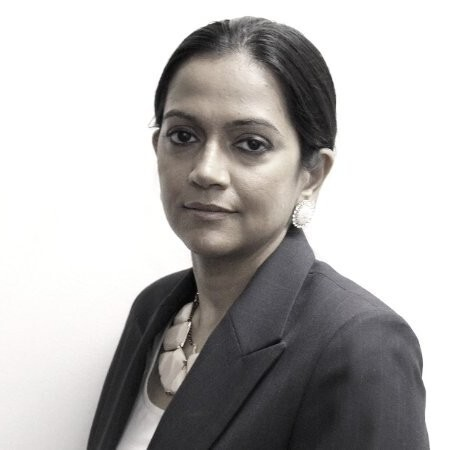
Mona Datt
CEO at Loom Analytics
With an engineering background and over 18 years of experience in legal and insurance operations, Mona Datt founded Loom Analytics to transform court reporting and transcription workflows through intelligent automation. She specializes in streamlining transcription processes for legal firms, public safety agencies, and insurance claims departments, combining technical innovation with deep industry expertise. Having partnered with hundreds of clients across these industries, Mona guides teams through digital transformation with a human-centric approach, ensuring automation tools integrate seamlessly into existing workflows. Her philosophy is grounded in practical application—building intuitive solutions that address real business challenges while serving as a trusted partner in helping organizations adopt AI and automation technologies that enhance productivity and deliver measurable results.

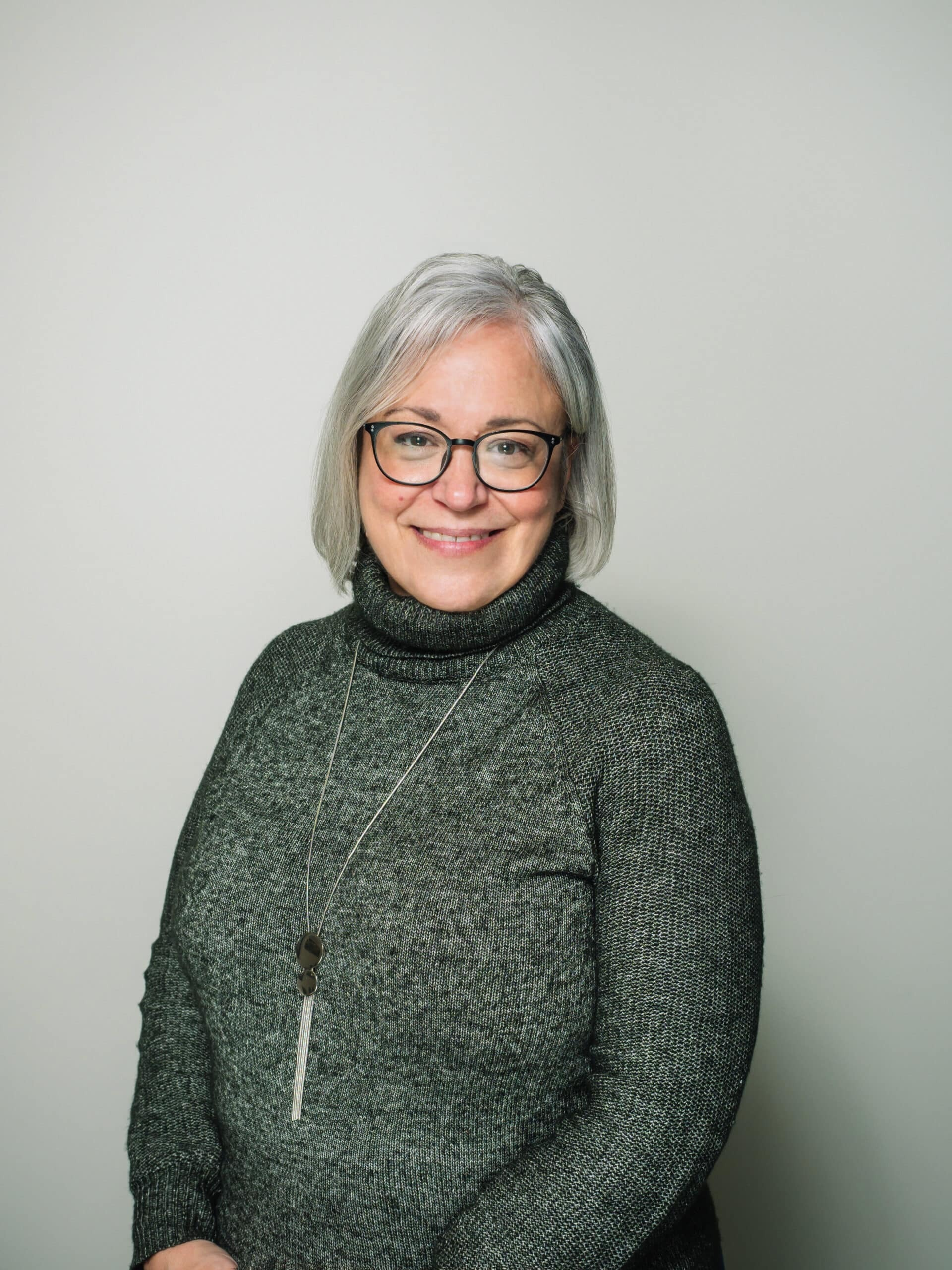
Susan LaPooh
Sr. Director of Testimony Capture at Remote Legal
Susan LaPooh is a leader, changemaker, and strategic voice in the evolving court reporting and transcription industry. As Senior Director of Testimony Capture at Remote Legal, she oversees a nationwide team of court reporters of all methods, transcription professionals, and vendor partners, building scalable systems that uphold the highest standards of accuracy and integrity.
In addition to her corporate leadership, Susan serves as President of American Association of Electronic Reporters & Transcribers (AAERT), where she is driving a national movement toward method-neutral excellence in testimony capture. Her work focuses on workforce development, legislative and regulatory advocacy, and establishing universal standards that protect the integrity of the record while expanding access to trained, certified professionals in every courtroom and deposition room.
A passionate advocate with nearly three decades of industry experience, Susan's leadership blends operational rigor with a deep respect for the craft of testimony capture. She believes that technology should empower, not replace, the professionals who safeguard the record.

Kim Neeson
Vice-President of Court Reporting (Canada) at Array
Kim Neeson is the Vice-President of Court Reporting (Canada) at Array, leading the company’s expansion into the Canadian market. With over 40 years of experience in the court reporting field, Kim is a nationally recognized leader, innovator, and advocate for accessibility and accuracy in legal proceedings. She brings a distinctive blend of entrepreneurial vision and technological foresight to the evolving practice of court reporting.
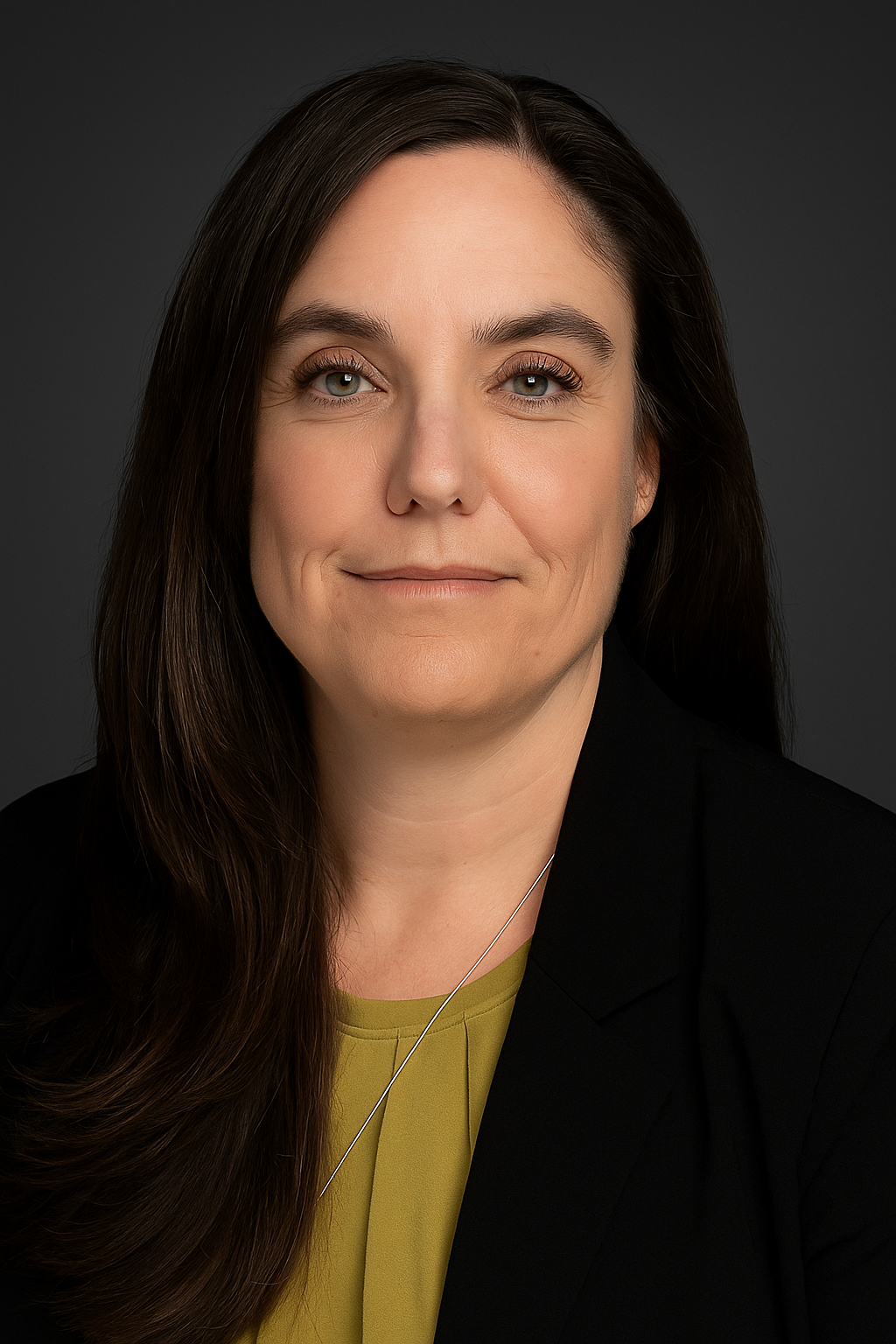
Lori Stocco
President of the BCSRA
Lori Stocco is a seasoned stenographic court reporter with over 20 years of experience gained attending pretrial and court matters for leading law firms in British Columbia and Alberta. She is entering her fifth year serving as President of the British Columbia Shorthand Reporters Association (BCSRA), where she proudly advocates for the stenographic reporting industry.