


In this dynamic conversation, Mona Datt sits down with Susan LaPooh and Brandon Greenblatt to discuss their groundbreaking journey in creating the first completely online court reporting agency. They’ll share the challenges, breakthroughs, and lessons learned from reimagining a traditionally in-person profession for the digital era. Attendees will gain insight into how innovation, adaptability, and technology can come together to build a modern, scalable model for the future of court reporting.
Pioneering the Digital Firm

S1- Hello, everyone. Welcome back. We're on the second last question of the day. Is nearing and we're here with Brandon and Susan from Remote Legal. I have watched the start over the last and and the evolution of remote legal over the last five years. And it's been an interesting story to watch and develop. And you guys have developed some something amazing. So just for everybody's benefit in the audience, remote legal is a firm that started in 2020. Right. And in the middle of Covid, completely remote. And it was different, right. Court reporting traditionally you send your people out into the field or in Canada, we've got a situation where we've got court reporting offices or offices and lawyers come in, the parties come in or if it's in court, obviously you send your court orders out into the courtroom to do the work. But here was a firm fully digital digital infrastructure from the bottom up, literally. It's like a court reporting tech company. So I'd like to start with actually, Ben, and maybe you can take a few minutes, tell us a bit about your background and then we can go to Sue and then we can get started.
S2- Yeah. Thanks, Mona. I would be happy to introduce myself and give a little bit of background. So I think it's important to start from the beginning for me in my career I am an attorney. Although admittedly didn't really have a ton of experience in the on the litigation side of the law. I actually was a corporate lawyer. And I, I don't need to get too far into the background of how I actually got to court reporting. But the long story short is I met someone who was a court reporting firm owner while I was still practising law. Got really intrigued by the business of court reporting, and I kind of always knew I didn't want to be a practising attorney, especially at that time when I was billing by the hour. You know, I really just was something that I knew I wanted to get away from. Although I loved the law. I didn't see myself practising for, you know, the rest of my rest of my life. So when I learned more about court reporting so so Mona actually is as a matter of fact, we started in 2019 before the pandemic, but it was a traditional stenographic court reporting company in person. And when the pandemic hit and that was a company called Precision Reporters based in upstate New York. But when the pandemic hit, you know, you know, I really saw that as an opportunity to transform the business. And so we started Remote Legal, which was kind of an offshoot of precision at the time in 2020. So that's kind of where I know you know the story from. But our background was really knowing the backbone and the fundamentals of this industry and understanding the importance of capturing the record and and also understanding the trends of where the industry was going. And and so when the pandemic hit and everybody went on zoom you know, we really began to develop theses around providing video, you know, video records for for litigants providing accurate transcripts through more modern methodologies, giving people the ability to handle their their deposition exhibits more seamlessly. You know, all of those pain points were really highlighted at the beginning of the pandemic, while people were also realizing the incredible efficiencies and magic, if you will, of the remote deposition in general. So that was sort of like this amazing realization while at the same time being like, damn, there are some things that are really killing me right now. That was sort of the the where the rubber met the road for the birth of remote legal. And then maybe this is a perfect segue into Sue. That was when I called Sue on the phone. Actually you know, one of my partners called Sue on the phone. I will give him the credit. It wasn't me. And, you know, we were looking to bring on an experienced digital court reporter. And as luck would have it, we met Sue.
S3- I would say that I don't know if it was luck or kismet or what it was, but. Yeah, I was as some of you may know, if you were on the previous session I was on I was a transcriber for I've been a transcriber for over 30 years, and I have become a digital court reporter about seven years ago, eight years ago. And I was working as a digital court reporter and Remote Legal was looking for digital court reporter to take a job. And so we got to talking. And I just love digital court reporting so much and the field of court reporting. I think they were like, okay, she's either really great or strange. And they decided I was great. So what happened was they kind of said, hey, we don't really know too much about this digital court reporting thing. We know there's a shortage. We're struggling to be able to keep stenographers. We're losing a lot of stenographers to the court. So we want to add digital into the mix. And that's how I came to join Remote Legal five years ago. One of the best decisions I ever made.
S1- So, Brandon, I know you work on the client side of things, and so you're involved very, very heavily with operations, right? Beginning of Covid, everything's closed. Everything. How do you even get clients?
S2- Yeah, I think I'll take that one because that was you know, I kind of described that to my wife at the time as running uphill all day in the rain. And then once you get to the top, falling all the way down and being like, oh my God, I can't believe what I'm doing here each day. But eventually the persistence paid off. It was really just well, we had clients at the time from from the acquisition that we had made of the stenographic court reporting company. The the key was convincing them that they could keep their cases going remotely. It wasn't that hard of a sale because at the end of the day, everyone's incentives were completely aligned. How are we going to keep how are we going to keep this going? On the plaintiff's side, they wanted outcomes on the defence side, they wanted billable hours on our side, we wanted depositions like everyone was pretty much in lockstep. So the conversations were were pretty substantial and people were getting back to us and they quickly realized we had their best interests in mind. So from there it was from there it was there was definitely a big word of mouth component because we had a we had a client base that learned to trust us through what was probably the biggest crises of crisis of their career to that point. And so after that, it was a lot of, you know, a lot of trust and a lot of loyalty and conversations around how and we quickly built up some expertise on the how. And so, you know, there's a that was sort of in the very early going how we got clients. Of course there's more to the story from there. But in the very beginning it was persistence and then building up trust through, you know, working through a crisis.
S1- And how like obviously you reached out to sue. But overall, how did you go about building the team? Because I'm old school, right? I like to meet people in person, interview people in person. But here in the early days of Covid, how did you actually go about recruiting your management team and the people working for them?
S2- Yeah, it's a great question. Well, I just told you a little bit of the story of how we met Sue. I mean, I'm fortunate in that some of the people that I've hired and have worked closely with since I hired them, I worked with previously. So there was a trust there. And, you know, I already had kind of developed a lot of that rapport that you're talking about. And from working together over the years in person. And actually two of the people on our management team even worked, worked with my father. So there's like some real long term trust there. And so that really helped meeting for example, meeting Sue, you know, I don't know, we met in person. We did meet in person, you know, in the early days. But by and large there was just kind of a click of all right, I think we're in the right place here from a culture standpoint. And I always say and Sue, you can you can vouch for me on this, but all it takes is one bad apple to spoil the spoil the batch. And we've just been hyper hyper focused on not bringing in that bad apple. And so we recruited some really good people at the top. And I think it's really kind of gone gone down the hill from there. And so it's not all that different from doing it in person. I know what you're saying, Mona, I do, but I think at the end of the day when you have a good system in place for interviewing you, you know, have good people around you who are making referrals for quality talent. It tends to to work out, but it starts across, it starts at the top and it starts across the organization. You really can't compromise at all.
S1- So everyone still remote like is it a fully distributed team?
S2- Well, I can speak to it from the management side. So you can then speak to it on the operational side. On the management and revenue side, it is it really is. We have an office in New York City. And we also have an office in upstate New York that's from the acquisition that we did. But other than that, it's completely remote. We try to get together as leadership as often as we can. You know, our sales team is going to be doing a sales summit. Actually, this is a hot off the press news for our team, which is exciting. I think they're really excited about that. So I do think you're not going to find a bigger proponent of a remote business than me, Mona. But at the same time I as we get a little larger, I do get it. I, I, I, I understand the need for the in-person component, but yeah, it's it's fully remote.
S3- And and I would say you know, we work with court reporters all over the country. My staff members I've now I've been working with two of my managers for probably four of those five years. And I just met one of them two years ago and one of them, no, a year ago and the other one a few months ago. So we had we never met in person until very, very recently. But I will say there's something really exciting when you do meet in person and it brings you even closer quicker. So I don't know that you have to have the day to day because when you have those moments and when you do get together, it it it's almost like accelerated the the bond and the connection. Because you're building that also remotely and then when you come in person together it's like, okay, here's the body, you know, that I put with the spirit. So for me, when we do get together as a team the leadership team, I gained so much from that. There's so much excitement, exhilaration motivation from that. But working remotely and I was a transcriber. I worked remotely for 20 years before working remote was, you know, in vogue. So for me, it has not been a real difficult you know, step. And really with my staff, they're very connected to each other and are a great team, even though most of them have never met each other.
S2- One thing I will also add is that you know of our leadership team, there's a good handful of people that live within, let's call it 60 to 90 minute commute of New York City. And so we do have, you know, I would call it more of a working space than an office in New York. So we are able to get together there from time to time. And that does help. So it's a benefit there too.
S1- When you've got a problem solved, right from the leadership perspective. Do you find that being in person and meeting in person and bouncing ideas off of each other and collaborating that way is more effective than being remote?
S2- I personally don't I really I mean there are some times where it's helpful, but I don't think as a blanket as a blanket matter that it's more effective. I mean, sometimes I find that when you're in person, especially when you're not, and this could be a function of not being together in person all the time. But there's more socializing for good reason, right? Everybody's excited to see each other. You know, I think also it's part of, like, getting into a rhythm. You know, we've got a rhythm. We everybody kind of knows how to operate from their their setup. I think it's I'm proud to say that our leadership team, we've had one person turn over, you know, on a team of 10 or 11 over the course of five years. And so we all really know each other very well and know exactly what to expect. And we're all consistent in our behaviour. So I think a lot of it is just getting that rhythm.
S1- So move over to the next section which is I know you guys have a a technology component, right? Because you've got an online platform that the parties join that your reporter joins, reporter joins as well from a capture perspective. So talk to us about that. When you started Remote Legal obviously you needed that environment for all the parties to be able to follow along. How did you go about that decision as to what you were going to build, what you were going to buy? Did you evaluate third party products? What have you kept in house? And what have you procured?
S2- Yeah. Great question. I think and I can start from like the current day. I think one thing I've realized and you know, I don't I guess I don't know exactly what the makeup of the audience is just in terms of like, who you know, who comes from what backgrounds. But yeah, I figure right. I know it's a mix. So what I would say is now what I've realized is you have to think about every technology tool you use, whether it's proprietary, proprietary or whether it's licensed from a third party as part of your tech stack and your product department or your product person should be really thinking about that entire tech stack across the board, not just what you own in-house. So the biggest thing that drove us was building a remote deposition platform. Right. So we tested out some tools on the market, and we really didn't think there was anything out there that could do exactly what we wanted it to. And our main motivator was we wanted to be able to provide we wanted to be able to provide rough drafts faster. We wanted to be able to provide videos of all depositions at a far more affordable rate. And we wanted to be able to help clients manage exhibits in depositions way more seamlessly. Those were the main pain points that we were feeling. And when I say rough drafts like getting real time, getting the rough, being able to work with it and use it like all those components of of, you know, of a rough. So that was really what drove us. That was what motivated us. And so we built a proprietary video conferencing platform that could handle all of those components. Everything else was outside of our core business, and therefore we were kind of like, you know, licensing it from third parties. And now as we grow, you know, we're on the precipice of building something that will be proprietary but will function across the entire company. So from CRM to operations to the actual deposition platform to fulfillment, you know, and billing on the back end.
S1- And so obviously you come from a digital reporting and a transcription background, right. What was your approach to it when you were trying to work with Brandon? And the rest of the operations team on that side of it?
S3- Yeah. So we it's amazing how much technology has come out in the last five years. I remember when I first joined I had been working for another company who had built their own software to to take down the record for digital reporting, and they would only allow their reporters to use it. So when I came to work for remote Legal, we had to find a software to take down annotations and record. There was one that was a reasonable option. The others were built for the courts. They were thousands of dollars. So forth and so on. And I remember thinking, oh my goodness, what's out there? And don't you know, in the first six months that one decided they weren't going to do it anymore. And we're like, what are we going to do? But now, five years later, there are a number of options out there of which we've tried them, all of which we are constantly reviewing, looking at because they're always improving. It's it's truly amazing what's out there now from the annotation software to the to ASR to the formatting and creation of transcript tools. There's so much that's out there that was not available at all five years ago. So what we did was we've tried them tried different ones out. And then we built partnerships and relationships with companies because we're very unique. I think they find us to be interesting as well. So it's been a it's been a nice opportunity for us to help them grow them. They help us grow. And it's a back and forth relationship. As as we're building tools and as they have tools. So if the simple approach is if there's something that's a viable solution already built and proven solution, we're going to use that. What we build is what we need to control.
S4- Got it.
S1- So that takes me to my next question, which is you've built that means you've got a full dev team on staff.
S5- We have. Yeah we have.
S2- We have a dev team in-house. So and we are I mean, you mentioned it earlier, Mona, we call ourselves a tech enabled services business, right? We don't try to be, you know, a software business that's we're not a software business. We're a court reporting company. But we built technology to facilitate our court reporting. We think, you know, well, we built technology to improve the deposition experience for the clients. We build and procure technology to improve the court reporting process. So yes, we have we have a team in-house. And that is definitely one of the challenges of our business is when you are a tech enabled services business, you have to really focus on the tech, but you have to really focus on the service. So that's I think we've gotten a lot better at it over the last couple of years is like managing those two things in tandem as opposed to a company that just does software or just does a service. You know, we've had to focus on on mastering that sort of dual act.
S4- Okay.
S1- For for Sue, I guess the question is obviously you see the whole process. You see it from capture to transcript delivery. Can you walk us through what it looks like in a tech enabled process?
S3- Sure. So of course you start first with the court reporter. They're in the room. They obviously are experts at the platform. So that they can assist the participants and they're taking down the records. So they're capturing the record whether it's audio, audio, video and they're actively monitoring the quality of what they're taking down. So some of our reporters are editing live the ASR streaming other reporters take down the record and they're taking annotations while they're capturing the record. Once that's done, then our production team takes over. So once the proceeding is ended, the the work product renders And it goes to the production team. So that team is going to be the people who are creating the transcript. So they're editing. We no longer transcribe from scratch. They're editing the output either that the live editing reporter has created or the ASR has created. So once they're done doing the editing, it goes through proofreading stage. Once it finishes proofreading that's our we have a QA stage. And in that stage we do we review to ensure that it meets our standards. And then the final product is delivered to the client also through our secure portal. So every step along the way is really managed and logged so that we maintain a chain of custody as well.
S4- So.
S1- When you go back, you just brought up security, right? So the equipment is provided by you to all of your reporters and transcriptionists, or are they all logging in from their devices into your portal to deliver the services?
S3- So they're independent. All of our reporters at this time are independent contractors, so they provide their own equipment and then they log into our system.
S2- Yeah, I would I would add to that, Mona, we tried we really you know, we're trying to build a scenario where as much of the content as possible from a software housing standpoint stays within our ecosystem. I mean, because if you really think about, you know, traditional steno or just, you know, court reporting in general in an in-person realm, there's a lot of content flying around, you know, in a fairly non secure environment. So like when we think about our delivery, the goal would be in an ideal world for as much content as possible to remain in a controlled environment that can, you know, really be secure.
S1- So what happens when there's a tech issue with capture? Internet's not working. The reporters got a technical issue.
S3- Well depends on the situation. So we have what we like to call a rapid response system in place. So the first thing that we do is all of our court reporters check in when they're supposed to be there for their start time, they're they're supposed to be there a period of time prior to the start of the proceeding. So if there's no check in, we're checking in with them to make sure they're not having an issue to make sure that they didn't, you know, miss their assignment notification, whatever it might be. If there is an issue, we as soon as we've checked in with no answer, we immediately start reaching out to our backup reporters. So all of our managers are also certified digital court reporters so they all can take a job if necessary. And then we also have reporters who are on standby or backup so that we're already looking to find a replacement if there's something where their internet goes out and they don't have a hotspot that can handle rejoining or something like that. One of the great things about being all remote is you can do that. You can replace somebody much more quickly. I it's going to take me an hour to drive to replace a reporter who's an in-person reporter. But remotely we can replace a reporter very quickly if necessary. We also have a deposition support channels that we use. So we're in constant real time contact with our court reporters if there is any issue our tech team, our support team will join if there's a necessity for that as well. So really, from the time the proceeding starts to the time that the proceeding ends, that record is always being protected because we're real time monitoring what's happening.
S4- So.
S1- I'm going to go to a question I guess real quick.
S2- Just one more thing I want to jump in and add there the the all remote component which you just alluded to and being able to replace on the fly if necessary, it's actually turned into a sales asset for us because in the you know, you would think people would, you know, look at that and poke holes in it and say, you know, hey, how do you do this? That sounds really hard, but it's actually really beneficial in so many ways when you boil it down.
S1- Can you elaborate on that?
S2- Yeah. Meaning like there's just less of a you have less of a single point of failure, like with an in-person deposition like Sue alluded to, if that person if something happens to that person, they get a call, you know, there's an emergency, they need to leave. It's there's a single point of failure with a remote deposition. You don't you don't have that.
S1- You also operate across quite a few US states. Probably. All right. Do you have different certification requirements or is it basically the the city and the CR that manages all of it?
S2- So you want to you want to start with that one or you want me to start.
S3- Sure. Yeah. No I'll start. So it depends on the state. Some states just like for stenography, some.
S2- Sound like such a lawyer these days. It depends on the state. Look at you.
S3- It it it does. Because just like stenography, some states are regulated. Other states aren't. Same thing with digital court reporting. Some states have specific regulation. Some don't. So all like I mentioned earlier, all of our court reporters are certified. We we really invest and we hold that in really high esteem certification. It shows that a person has met the minimum standards and is continuing their education and continuing to hold best practices going forward. So we have certified court reporters regardless of where they're working. Some states, such as Georgia oh gosh, now I'm I'm losing them. Georgia. Tennessee, Tennessee. Certain states do have certification. And we do we follow those practices in those states. Other states, they're not regulated. And so to be honest with you, you wouldn't necessarily even have to be certified. I disagree with that. Our company disagrees with that. And so our court reporters are all certified.
S2- Yeah, I would so sue, you know, Sue is better suited to speak to that from the reporter side on the like civil rules, you know, the rules of civil procedure side. That's a big part of what we do now. We have to be very we've developed a significant expertise in knowing exactly where we're operating, know how the rules apply, know the best ways to create procedural safeguards for our clients because in a in a remote environment, this is kind of a new thing that's cropped up and they rely on us to know what we're doing from a state by state compliance standpoint. And so a lot of times that means we have to have deposition notices that are properly drafted. We have to have stipulations and read ons at the beginning of a deposition deposition, sometimes out of necessity according to the law and sometimes just to be very safe, that there's not any argument to be made that, you know a reporter wasn't properly qualified. And, you know, we've gone pretty deep on this a lot of times, the arguments, you know, I should I should actually say it's pretty it's very, very, very rare that any objection is made to digital court reporting. But when they are they're almost always rooted in lack of knowledge of the topic, just a lack of education because it's a new concept. And so a lot of times it's just creating safeguards to ensure there's no procedural risk for the client. But it's something we're we're laser focused on.
S1- So now that the the the world's reopened, are you seeing clients wanting to go back to in-person or it's largely stayed remote?
S2- It's funny because your question really like walks right down the fairway into my answer, which is plenty of people want to go back in person, but there's just some sort of inertia in many cases that don't allow them to. Sometimes it's the party, sometimes it's the parties having something that's stopping them from going in person. They can't travel because of a family obligation. Sometimes it's a judge giving them a deadline saying, I need this done by next week. There's just often an inertia that makes things remote. So I think a lot of people want to be in person to be to be fair. But I think they also are at peace with the reality that a significant component of their practice will be remote. And I think that's just kind of where we've landed. And that's why we've seen like we've seen a status quo in the last couple of two to three years where it's kind of it's levelled off. I think the people that have an all in-person practice have gone back to that. That's great. And then the people who have a hybrid practice, they they've landed where they've landed. And then there's a huge market of just firms that only do remote depositions.
S4- So what would you say to.
S1- Core reporting companies that are currently in person? Where do you think things are going to land in five years?
S2- I think I mean, there's no disputing the fact that in-person will continue. Like, there's there's there's just a segment of the market that will do in-person legal proceedings and meetings and sales calls. I mean, everything, right? Not just in legal, but I think that what's going to happen is the technology will evolve where people will be able to get more out of their in-person meetings. Like right now, I think it's easier to get more. And when I say get more, I mean get an instantaneous rough draft, right? Or an instantaneous real time stream of the depot, get an immediate post depot rough draft, get AI insights on your deposition because you know the words are being transcribed and then compared to old, you know, previous documents or previous testimony provided, I think right now because of the if you think about the setup of a remote deposition, it's a lot easier to it's a lot easier for that type of technology to operate. I think it'll improve in the in-person setting. But I think it will always be a little easier to capture that type of data remotely. And so I think that's a big advantage for remote. And then I think you'll just always have some sort of split, whether it kind of shifts a little bit in time and sometimes some years it'll be more in person, some years it'll be more remote. I think I think this split is probably a status quo into the future.
S3- I would just add to that funny story once I was taking a a depot and it was a young attorney. They were had just been practising a year or two and their opposing counsel, older attorney was saying, oh, I just can't I just don't like these remote depositions. I like being in person. And she responded and said, oh, really? She says, all I know is is remote. I actually just did my very first in-person depo last week for the very first time, and she literally had no experience doing anything in person. So I think that's going to be interesting the the younger attorneys to how how because we know they're most likely better with technology as well. So I wonder if you know, more remote will take place going forward.
S1- And what about from a from a reporter's perspective? Like should they should they get more comfortable then with being able to do a remote capture?
S3- Well, I would say this a one of the things that concerns me and again, I'm the president of the American Association of Electronic Reporters and Transcribers long term as well. But one of the things that concerns me as the president of the association is that so many of our reporters coming into the field are learning remotely and they only know remote. So I would suggest that court reporters be able to do both because there's a much bigger for in-person reporting for a digital there's a lot more equipment and there's a lot more setup involved. So I would recommend that they learn in person so that they can be able to cover all jobs. I know every court reporter, not every most court reporters. If you were to ask them, do you like doing remote or in person? The majority are going to say, I like doing remote. It's convenience. You're not driving if you're living in LA and you have to drive to a depot, you that is the worst part of your job, you know? Lori, who was on the last panel, was talking about how she had to drive an hour and a half to get to the ferry for a two hour ferry ride for a four hour drive to the place she had to take the deposition. I mean, in those situations. That's crazy. Why not do it remotely? But if you only know remote, I think you're limiting yourself. But I do think there's a huge market for remote work for court reporters as well.
S1- What advice would you give to a court reporter or transcriptionist who that's considering going just remote, just remote, whether for personal circumstances or whatever?
S3- I think that's reasonable. But you also have to keep your expectations in check then. Number one, if you're a new reporter, you have to open yourself up to all opportunities. If you're a new reporter, you need to be willing to take the job. Nobody else wants the job that's in person, the one with the horrible slog of a commute. You need to take all everything to build your reputation. So I do think you can make a career of doing just remote, but you you have to build your career to get there. I also think from the digital reporters perspective, you have to be able to do your own transcripts because the way court reporting works is they schedule you for a job that's supposed to go nine to five, and it ends up going 45 minutes, right? You know, like attorneys are not the best at estimating time. So you have to have something else to work on. Either you grab another remote job or you have a transcript to work on so that you're constantly being able to make money. Otherwise, if you're waiting for the remote jobs only and your job was supposed to go all day and it only goes two hours, you now have five or six hours to still try to fill up. So I think that's important that a take everything until you've built up the reputation that you know you're going to get the work and B you have to be able to do both sides of the job. Take the record, create the transcript.
S1- Any last words of advice to the audience at this point?
S2- One of the.
S1- Questions.
S2- I actually had one other comment just on the in-person versus remote thing. I think also the technology for hybrid depositions will improve and being able to have depositions where a reporter's remote and a.

Meet the speakers
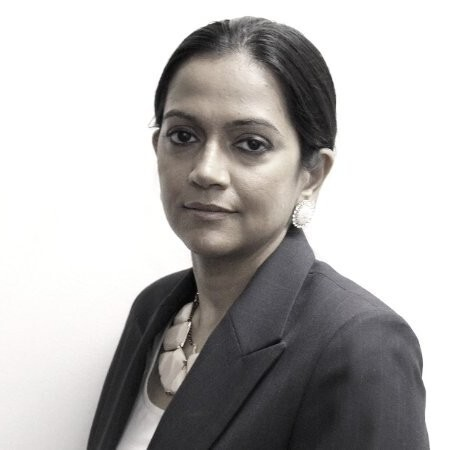
Mona Datt
CEO at Loom Analytics
With an engineering background and over 18 years of experience in legal and insurance operations, Mona Datt founded Loom Analytics to transform court reporting and transcription workflows through intelligent automation. She specializes in streamlining transcription processes for legal firms, public safety agencies, and insurance claims departments, combining technical innovation with deep industry expertise. Having partnered with hundreds of clients across these industries, Mona guides teams through digital transformation with a human-centric approach, ensuring automation tools integrate seamlessly into existing workflows. Her philosophy is grounded in practical application—building intuitive solutions that address real business challenges while serving as a trusted partner in helping organizations adopt AI and automation technologies that enhance productivity and deliver measurable results.

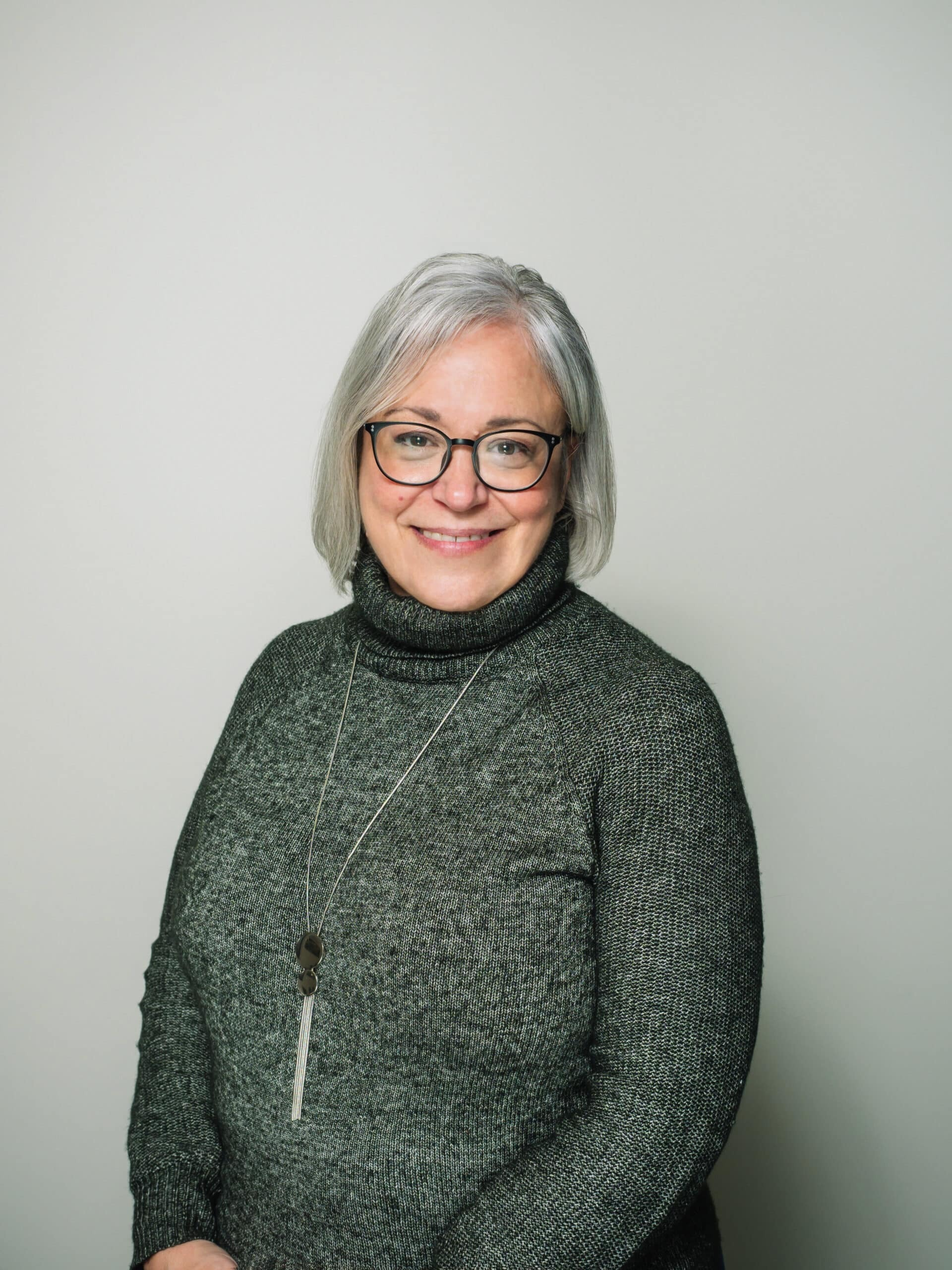
Susan LaPooh
Sr. Director of Testimony Capture at Remote Legal
Susan LaPooh is a leader, changemaker, and strategic voice in the evolving court reporting and transcription industry. As Senior Director of Testimony Capture at Remote Legal, she oversees a nationwide team of court reporters of all methods, transcription professionals, and vendor partners, building scalable systems that uphold the highest standards of accuracy and integrity.
In addition to her corporate leadership, Susan serves as President of American Association of Electronic Reporters & Transcribers (AAERT), where she is driving a national movement toward method-neutral excellence in testimony capture. Her work focuses on workforce development, legislative and regulatory advocacy, and establishing universal standards that protect the integrity of the record while expanding access to trained, certified professionals in every courtroom and deposition room.
A passionate advocate with nearly three decades of industry experience, Susan's leadership blends operational rigor with a deep respect for the craft of testimony capture. She believes that technology should empower, not replace, the professionals who safeguard the record.
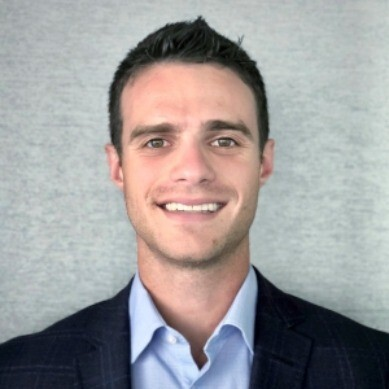
Brandon Greenblatt
Chief Executive Officer at Remote Legal
Brandon is a Co-Founder and Principal of Montague Street Private Partners, currently serving as Chief Executive Officer of Remote Legal, our portfolio company in the legal technology space. Prior to starting MSPP (the private investment strategy of the Greenblatt Family Office), Brandon was a practicing attorney, having worked in the Private Equity and Mergers and Acquisitions group at the law firm of Fried, Frank, Harris, Shriver & Jacobson and the Transactional Advisory Group at the law firm of Lowenstein Sandler. Brandon is an operator and visionary in the legal technology space, applying his expertise to help move testimony capture in depositions and other legal proceedings into the 21st century. Brandon has a Bachelor of Science from Vanderbilt University and a JD from the Benjamin N. Cardozo School of Law.